
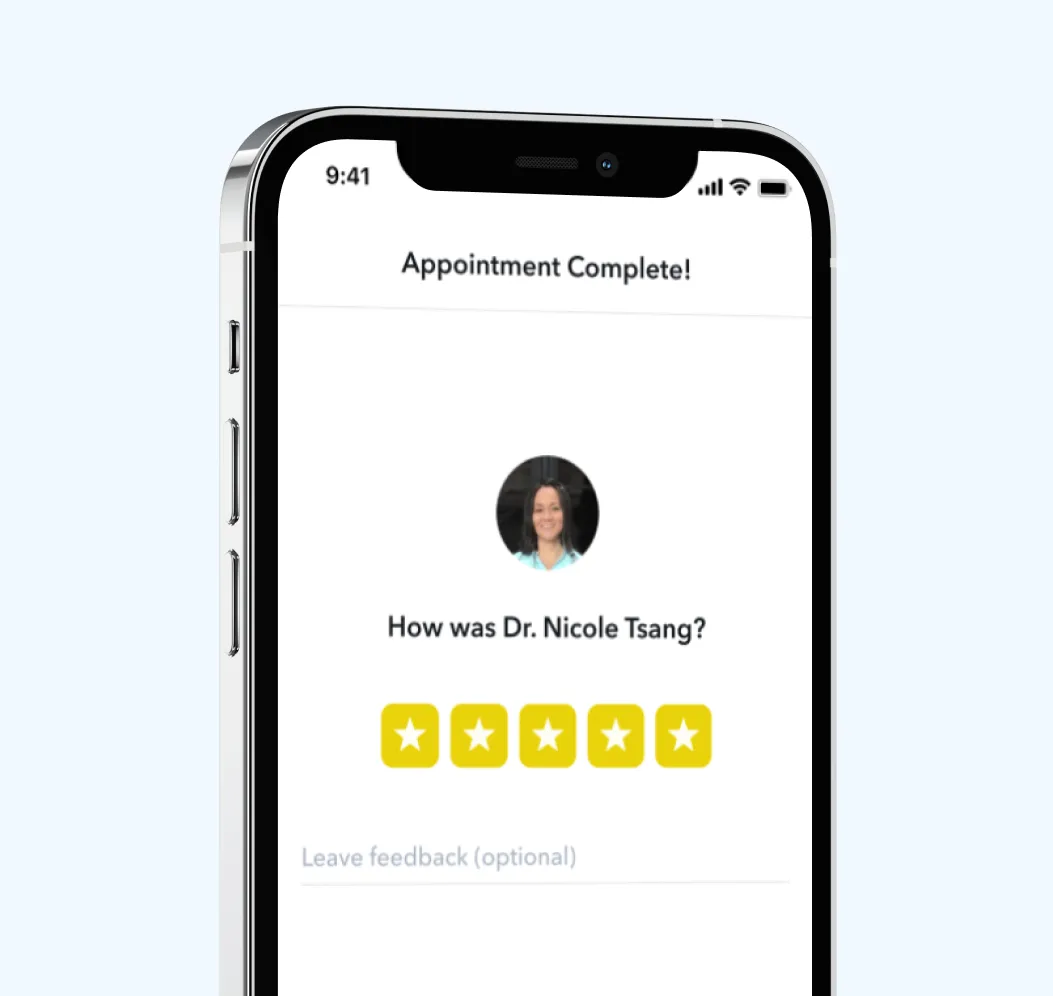






Meet with an online doctor over video for depression diagnosis and treatment today.
Circle Medical's team of board-certified and empathetic providers are standing by to help you. Attend a same-day appointment from the comfort and privacy of your own home.

Same-day appointments available

I hear you - this is what we can do.
Dr. Ixchel Alvarez


If immediate assistance is needed, please seek out your local emergency room or urgent care facility. National suicide prevention hotline: 800-273-8255
What to expect
During your initial visit with a provider of your choice, you will review your medical history and experiences that led you to seek treatment for Depression. Your provider may ask you to submit previous medical records or request blood work to rule out any potential causes of your Depression that may stem from a physical medical condition.
In a follow-up appointment, your provider will work with you to create a treatment plan that will effectively treat your symptoms of Depression.
In the event your provider determines that you may have a condition that is more appropriately diagnosed and managed by a psychiatrist, your provider will provide psychiatry resources. Additionally, Circle Medical is able to offer therapy referrals in all the locations where we offer care.
Please read through the FAQ for more information, including guidelines about who is a good fit for generalized Depression diagnosis and care through our practice.
Comprehensive Anxiety / Depression Assessment over video
Same-day or next-day appointment availability
If appropriate, we offer evidence-based treatment options for depression
Therapy referrals available everywhere we offer care
As a primary care practice, we can treat you for many other conditions as well, streamlining your medical experience.

Frequently Asked Questions
Anxiety / Depression Treatment
Can I get diagnosed with anxiety or depression through Circle?
If you are diagnosed by one of our providers, we are able to provide ongoing healthcare in the form of regular check-ins, assessments, therapy referrals, and evidence-based prescription management if appropriate.
Please note that booking and paying for a video appointment with one of our Circle Medical providers does not guarantee a diagnosis, or a specific medication.
A full medical assessment takes into account the patient's full health summary, evidence-based diagnostic tools, and other safety factors. Treatment is up to the provider's discretion. We encourage you to read through this entire FAQ for additional details.
Who is a good fit for anxiety and/or depression medication management through Circle?
Circle Medical is a primary care practice, which means that we are not able to treat more complex mental health conditions/medication, such as:
- History of psychosis, schizophrenia, schizoaffective disorder, and bipolar disorder
- You are currently taking, or seeking a prescription for, Benzodiazepines, opiate pain medication, or controlled substance sleep aids
To find out more about Circle Medical's scope of care for mental health, you can read more in this article: Mental Health and Care Eligibility.
What states do you operate in?
You must be currently residing in the state of treatment as well as have your primary pharmacy be in that same state in order to be a patient at our practice.
Providers
Am I seeing a psychiatrist through Circle?
More complex mental health cases may require a psychiatrist to diagnose/treat. We encourage you to please read through this entire FAQ section for additional information.
Do I need to book my appointment with a doctor (MD or DO), or can I book my appointment with any provider (PA-C, NP, etc)?
How long are the appointments?
Billing
What is the total cost of anxiety and/or depression diagnosis and treatment?
Insured
$5 - $50 average copay* per appointment*Note: Your specific copay is dependent on your health insurance coverage. We typically see patients with copays of around $0-$50 per appointment, but this can be higher if you have a high-deductible plan and have not yet hit your deductible this year. To confirm your specific copay estimate, you can click to book an appointment and you will be asked to input your insurance information so that you can receive your cost estimate before confirming the appointment.
Our ability to estimate your costs is dependent on your healthcare insurance's database, so we do not guarantee that the estimate you see is the exact amount you will be billed. For the most accurate estimate of your per-appointment costs, we recommend calling the phone number on the back of your insurance card to ask your insurance plan what your primary care appointment costs are.
Uninsured
$100 per appointmentInsurance
What insurance do you accept?
We contract with most PPO insurance plans. If you are a California Bay Area resident, we also work with a small number of HMO plans.
To verify if we work with your insurance, simply start booking an appointment online. You will be prompted to enter your insurance details and will receive eligibility results instantly as well as an estimate of your appointment cost prior to confirming your appointment.
Some PPO plans that we currently work with are:
Anthem Blue Cross/Blue Shield, Aetna, Blue Shield of California, Cigna, Health Net, Humana, and United Healthcare.
Plans that we cannot work with are:
Unfortunately, we are unable to provide care for patients who have Medi-Cal or Medicaid insurance. This is because we are not licensed Medi-Cal or Medicaid providers, so we are not able to provide care, even if these patients choose to pay cash instead of use their insurance. If you have Medi-Cal or Medicaid, please do not book an appointment with us, as we will be unable to provide care even if you do not enter your insurance information.
Other
Do new patients need to prepare anything for their first appointment at Circle Medical?
How to Prepare for Your First Appointment
What do I need to do before for my first appointment? Do I need to submit medical records anywhere?
Note: This step is optional. After your first visit, we will facilitate getting your medical records from your previous provider.
What happens after I am prescribed?
You may have a 2-week follow-up if you are on a new dosage for treatment. Once your treatment has stabilized, you will have monthly follow-up appointments to maintain treatment.
If you have questions at any time, please feel free to chat with your provider and care team via our secure app.
Can I get diagnosed in my first appointment? How long does it take to have a complete diagnosis?

Clinically appropriate treatment, tailored on a case-by-case basis.
We put patients first in every decision we make, and follow clinical guidelines based on evidence-based medicine to ensure patients get the most effective care possible.
What is Depression?
Depression is a common mental health condition characterized by persistent and intense feelings of sadness, hopelessness, and a loss of interest or pleasure in activities that were once enjoyable. It goes beyond normal fluctuations in mood and significantly affects a person's daily life, relationships, and overall functioning.
Individuals with Depression may experience a range of symptoms, including persistent feelings of sadness, emptiness, or worthlessness, decreased energy and fatigue, changes in appetite and weight, difficulty concentrating or making decisions, sleep disturbances, irritability, and in more extreme cases, thoughts of death or suicide.
It is important to note that Depression is a treatable condition, and seeking professional help is crucial. A combination of therapy, medication, and support can aid in managing symptoms and improving overall well-being for those affected by Depression.
If you or a loved on is experience severe Depression, including thoughts of self-harm or suicide, please seek immediate medical assistance from an emergency room or Urgent Care facility. National suicide prevention hotline: 800-273-8255
What causes Depression?
Depression is a complex mental health condition with various potential causes. It is often a result of a combination of genetic, biological, environmental, and psychological factors. While the exact causes of depression are not fully understood, here are some common factors that may contribute to experiencing Depression:
Biological Factors: Imbalances in neurotransmitters, such as serotonin, norepinephrine, and dopamine, can impact mood regulation and play a role in the development of Depression. Genetic factors may also contribute, as individuals with a family history of Depression are more likely to experience it themselves.
Brain Chemistry and Structure: Changes in the structure or functioning of certain brain regions involved in mood regulation, such as the prefrontal cortex, amygdala, and hippocampus, have been associated with Depression.
Hormonal Imbalances: Fluctuations in hormones, such as during puberty, pregnancy, postpartum period, or menopause, as well as thyroid dysfunction, can increase the risk of Depression.
Environmental Factors: Traumatic events, such as abuse, loss of a loved one, or a significant life change can trigger or contribute to depression. Chronic stress, social isolation, a dysfunctional family environment, or exposure to violence or neglect may also be contributing factors.
Personal History and Psychological Factors: Individuals with a history of other mental health disorders, such as Anxiety or post-traumatic stress disorder (PTSD) are at a higher risk of developing Depression. Additionally, low self-esteem, negative thinking patterns, and difficulty coping with stress can increase vulnerability to Depression.
Medical Conditions and Medications: Certain medical conditions, such as chronic pain, cancer, heart disease, or hormonal disorders can be associated with an increased risk of Depression. Some medications, including certain antidepressants, steroids, and hormonal treatments may also contribute to symptoms of Depression.
It's important to note that not everyone with these risk factors will
develop Depression, and individuals without these factors can still
experience Depression.
Each person's experience of depression is unique, and a comprehensive evaluation
by a healthcare professional is necessary to determine the specific contributing
factors and develop an appropriate treatment plan.
What are the symptoms of Depression?
Common symptoms of Depression may include some off the following:
Persistent Sadness or Low Mood: Feeling sad, empty, or experiencing a depressed mood most of the day, nearly every day. This emotional state may be intense and pervasive, lasting for weeks or even months.
Loss of Interest or Pleasure: Losing interest or pleasure in activities that were once enjoyable, including hobbies, social interactions, or relationships. A diminished ability to experience joy or engage in previously enjoyed activities is a significant symptom of Depression.
Changes in Appetite and Weight: Significant changes in appetite and weight, either an increase or decrease, unrelated to intentional dieting. This may lead to substantial weight gain or weight loss.
Sleep Disturbances: Insomnia or hypersomnia (excessive sleeping) are common in Depression. This can manifest as difficulty falling asleep, waking up too early, or sleeping excessively without feeling rested.
Fatigue and Low Energy: Feeling tired, lacking energy, and experiencing a general sense of fatigue, even after minimal exertion. Physical tasks may require more effort than usual.
Difficulty Concentrating and Indecisiveness: Problems with concentration, focus, and decision-making may arise. Individuals with Depression may experience reduced cognitive functioning, memory difficulties, and slowed thought processes.
Feelings of Worthlessness or Guilt: Persistent feelings of worthlessness, excessive guilt, self-blame, or feelings of inadequacy. Negative self-perception and self-criticism are common in Depression.
Recurrent Thoughts of Death or Suicide: Recurring thoughts of death, dying, or suicide, or engaging in suicidal ideation or behaviors. It's essential to take any mention or indication of self-harm seriously and seek immediate help.
Physical Symptoms: Depressive symptoms can also manifest physically, such as headaches, digestive issues, body aches, and general discomfort.
Not everyone will experience all of these symptoms, and the severity and
duration of symptoms can vary.
Diagnosis of Depression requires a comprehensive evaluation by a healthcare professional.
If you or someone you know is experiencing symptoms of Depression, it's crucial
to seek professional help for proper assessment and appropriate treatment.
How do I know if I need a prescription for Depression?
Determining the need for a prescription for Depression is best done through a comprehensive evaluation with a healthcare professional.
If your depressive symptoms significantly impact your daily functioning, relationships, or overall well-being, it may indicate the need for prescription medication. Prescription medications for Depression can help manage and alleviate symptoms when other interventions, such as therapy or lifestyle changes, are not sufficient.
Factors such as the severity and duration of your symptoms, any co-existing medical conditions, your personal history, and your preferences will be considered to determine if a prescription medication is appropriate for your specific situation. It's important to have an open and honest conversation with a healthcare professional who can provide a proper diagnosis and develop a personalized treatment plan tailored to your needs.
Tips for coping with depressive thoughts and feelings:
Here are some tips that help deal with the symptoms of Depression:
Build a Support System: Surround yourself with supportive and understanding individuals who can offer emotional support. Share your feelings with trusted friends or family members who can provide a listening ear and offer encouragement.
Engage in Regular Physical Exercise: Engaging in regular physical activity has been shown to improve mood and reduce symptoms of Depression. Find activities that you enjoy, such as walking, jogging, dancing, or yoga, and incorporate them into your routine.
Establish a Routine: Establishing a daily routine can provide a sense of structure and purpose, which can be helpful in managing depressive symptoms. Set small, achievable goals for yourself and focus on completing them one step at a time.
Practice Self-Care: Prioritize self-care activities that promote your well-being. This can include activities such as taking a warm bath, practicing relaxation techniques, engaging in hobbies or creative outlets, or spending time in nature.
Challenge Negative Thoughts: Become aware of negative thoughts that contribute to your depressive feelings and actively challenge them. Replace negative thoughts with more realistic and positive ones. This cognitive reframing can help shift your perspective and reduce the impact of negative thinking patterns.
Practice Mindfulness and Meditation: Engaging in mindfulness techniques and meditation can help you cultivate present-moment awareness and reduce rumination on negative thoughts. Explore mindfulness practices such as deep breathing exercises, body scans, or guided meditations.
Take Care of Your Physical Health: Focus on maintaining a healthy lifestyle by getting enough sleep, eating a balanced diet, and avoiding excessive use of alcohol or drugs. Taking care of your physical health can have a positive impact on your mental well-being.
Remember that coping with depressive thoughts and feelings takes time and patience. It's important to be kind to yourself and seek professional help if needed. Everyone's journey is unique, so explore different strategies and find what works best for you.
Don't take our word for it.
We are trusted by over 50,000 patients every month. Here's what they have to say.
-

The best, most easy experience I've ever had! My provider has been tremendously knowledgeable and helpful.
Malia
-
I think you guys are just wonderful. Very professional and responsible prescribing practices. I also really like my provider; she is compassionate and personable. I think Circle Medical eases the uncomfortability and takes the stigma away regarding ADHD. Also the online support if I have any questions or concerns is remarkably efficient and so quick to respond, even on weekends and after hours. Thank you guys!
Phoebe
-
An extremely caring company, very responsive and went above and beyond when I was in crisis. Cannot recommend them enough!! Keep up the great work.
Zayne
-
I have worked with 2 other similar companies and this one far exceeded expectation in every category.
Charles
-
Circle Medical has been very easy to use. I use Circle Medical for my ADHD treatment and it has been amazing. My provider is fantastic, the hours are flexible, and the reminders help keep me on track. I was sick earlier in the year and needed immediate care, which I was able to schedule in minutes. I used to use MDlive for my primary/urgent care, but I've switched entirely to Circle.
Mario
-
This is the first practice in over a decade where I actually felt heard. Advocating for yourself can be hard when you've had other practitioners who are dismissive and condescending. This practice is the complete opposite and a much needed breath of fresh air.
Yolanda
-
I felt like someone was finally listening and validating me. Other doctors treated me like I was seeking drugs and I couldn't possibly have the problems or that they aren't that bad and it's my fault. Thank you so much for listening, asking me questions, and letting me answer.
Basil
-
It was smooth going, everything worked perfect. Provider was warm, caring, attentive and provided great advice.
Davian
-
Very easy process, my provider was thorough and understanding and efficient. Already recommended to my sister.
Jase
-
Provider was wonderful, the medicine she prescribed worked overnight. I was amazed at how fast the healing started.
Paxton
-
I really appreciate the personalized care. I live in a rural area where healthcare is hard to come by.
Baron
-
My provider is absolutely amazing. Very compassionate, listens, provides feedback, and takes her time. I feel very comfortable and confident with my care.
Tara
-
The app is an easy and efficient way to meet with knowledgeable medical professionals and establish a care plan and I've had a very positive experience from the help provided to me.
Dominick
-
Easy app to use, the providers are so accommodating and helpful.
Melissa
-
So far I've had same day or next day appointment scheduling. Questions are answered same day or next day. The patient care coordinators and the providers have given me the most respectful, professional and attentive care I have ever received. Well run organization. 5 stars.
Keegan
-
This is convenient. The providers that I have interacted with have been, helpful, patient and kind. I feel like a priority with Circle Medical.
Brittany
-
Very good experience so far. My provider has been very wonderful -- very attentive and easy to talk to.
Joshua
-
I recommend Circle Medical because there's no other app that actually just goes straight to the point in helping your needs; that being needing ADHD diagnosis or anything else that has to do with your physical and mental health. There are no complications with speaking with the Circle Medical Team let alone any problems period.
Roxane
-
With Circle Medical I don't have to wait 3 hours to see my primary care physician, I can reschedule my appointment if necessary and their support team is always helpful and polite.
Tyrone
-
Excellent service and staff. Always on top of things and love getting the summary of the visit after each appointment.
Kason
-
Very convenient, and knowledgeable providers. I need monthly appointments with my current prescriptions. My provider is friendly and makes the process a breeze. I don't have to leave home.
Virginia
-
It is so difficult to access mental health care services right now especially for ADHD, so far I have received immediate and responsive care that has already improved my quality of life, thank you.
Eric
-
Convenient, the app is easy to use and navigate, I love my provider. Our meetings are efficient, and she's been able to assist me with health-related issues outside of what I sought out the app for. I absolutely want to keep using Circle Medical for many years to come and have recommended it to friends and family.
Savion
-
Awesome doctors. They take time to actually listen to your symptoms and things you're dealing with instead of pushing certain medications.
Bri
-
My experience with Circle Medical has been life changing. Their staff and my primary care physician have been beyond amazing. I would recommend Circle Medical to anyone who has a need for any services they provide. I simply cannot say enough good things on their behalf.
Jovanny
-
It's so easy to make appointments, the messaging feature makes help SO accessible, and the quality of the providers are top notch. It's such a relief to be able to schedule an appointment the day I need it. I always feel so heard and so cared for.
Quinn
-
I have recommended Circle Medical to two friends and they both have used and are happy with their experience as well.
Kasen
-
Been an overall positive experience where I feel heard and respected by doctors and staff.
Heath
-
I have NEVER had healthcare that was this accessible. Thank you.
Melanie
-
It is so difficult to access mental health care services right now especially for ADHD, I have received immediate and responsive care that has already improved my quality of life, thank you.
Ash
-
My provider is very understanding and non-judgemental. She shows care for her patients. And I appreciate the convenience of being able to speak to a provider on telehealth.
Heidi
-
I found an amazing provider on Circle, she really cares about my wellbeing and listens to me, and we even have some laughs! I truly appreciate her and I know that she truly cares! Thank you! ❤
Jermaine
-
The care and treatment plan I have received has resulted in life-altering changes. My provider has worked closely with me identifying the best diagnosis and treatment of my ADHD. I feel incredibly safe in her care and confident in her ability to look at me as a whole while treating one issue. The ease of use, appointment times, and telehealth options make getting much needed care easily.
Alisa
-
The process was easy and quick. I waited months for an appointment with an office and missed it. With Circle Medical I was seen and treated in a few days. Amazing.
Nikki
-
The turnaround time to get an appointment and see a provider was so quick and easy; everything is setup with the neurodivergent brain in mind from the way the app is designed to appointment reminders and calendar syncing. My provider made me feel heard and she kept our appointment focused on the task at hand (so important for adhd minds!).
Jenna
-
I have, and will continue to send people to Circle Medical. They are professional, and always answer my questions in a timely fashion.
Ean
-
My provider is attentive and listens to my needs. She addresses any issues I have. She is never late to our meetings.
Remi
-
Very helpful, professional, and courteous service.
John
-
I have ADHD and this format of meeting with providers is very ADHD friendly. It makes it easy to make appointments and the reminders and app are helpful.
Adalyn
-
The appointments are easy to schedule and meetings are all virtual which is convenient with my work schedule. I was even able to schedule an appointment for Sunday which is awesome. My provider is very friendly and professional. Also very thorough. I highly recommend.
Helena
Circle Medical Providers must meet all of the following standards:
-
Exceptionally qualified in their field
-
Board-certified
-
Deeply empathetic for patients
-
Follows evidence-based care guidelines
-
Embracing of diverse patient backgrounds
-
Impeccable record of previous care
350+ Primary Care Providers.
100% Confidence.
No matter which Provider you choose, you will be seen by a clinician who cares deeply about your health and wants to help you live your happiest, healthiest life.
Circle Medical Providers are held to an exceptionally high standard of compassionate, evidence-based care.
Book Appointment

Held to a higher standard of care by one of the top 10 hospitals in the country.
Our affiliation with UCSF is more than just a partnership. Our providers must hit specific patient care metrics and consistently deliver the highest possible level of care.
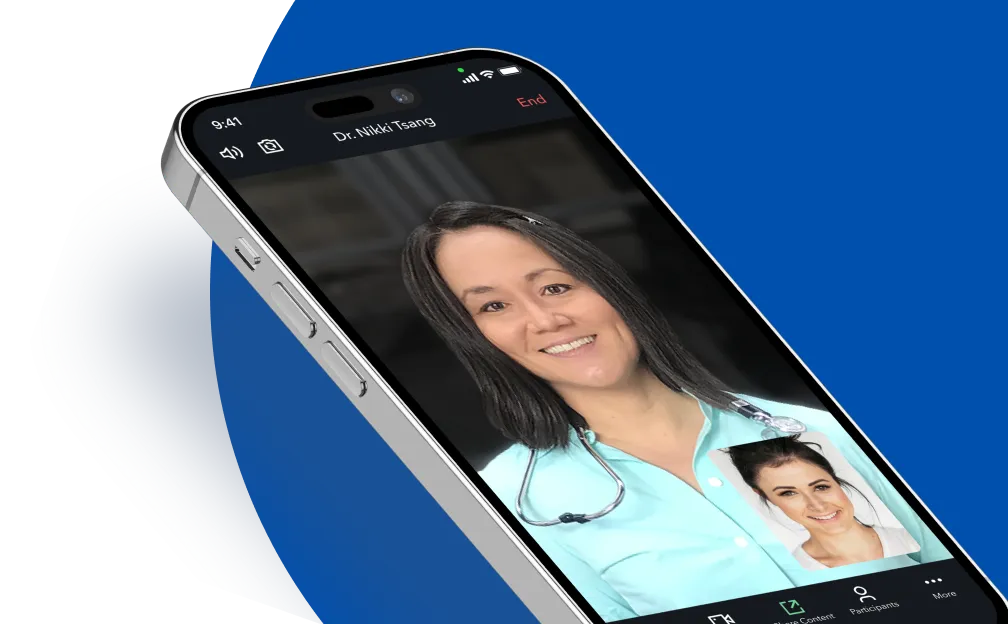
Read more about Depression treatment
How to get diagnosed with depression online
Depression is a common mental health condition that can be diagnosed through
a primary care provider. However, some people may not have access to quality
mental health care or they may be nervous about going in-person to talk
about mental health. That's where online healthcare can help.
Online primary care allows you to get diagnosed with depression from the comfort
of your own home. Once you get in touch with an online provider, you will set
up your initial appointment. This initial appointment will include an assessment
where your provider determines if depression is the root of your symptoms. This
assessment will involve questions about your symptoms and health history. Your
provider may also recommend a blood panel to rule out any underlying conditions.
Once you've been diagnosed with depression, your provider can begin working on
a treatment plan.
How to talk to your primary care doctor or health care provider about mental health
Talking about depression can be difficult. But remember, your primary care
provider is here to help. If you're not sure where to start, you can make a
list of your depression symptoms to bring to your initial appointment. This
will help you organize your thoughts and tell your provider everything they
need to know about your experiences with depression.
This appointment is also an opportunity for you to get clarification. Don't hesitate
to ask questions about your diagnosis and treatment. You are your own advocate
when it comes to healthcare, and discussing your concerns with your primary care
provider will ensure they create the best treatment plan possible for you.